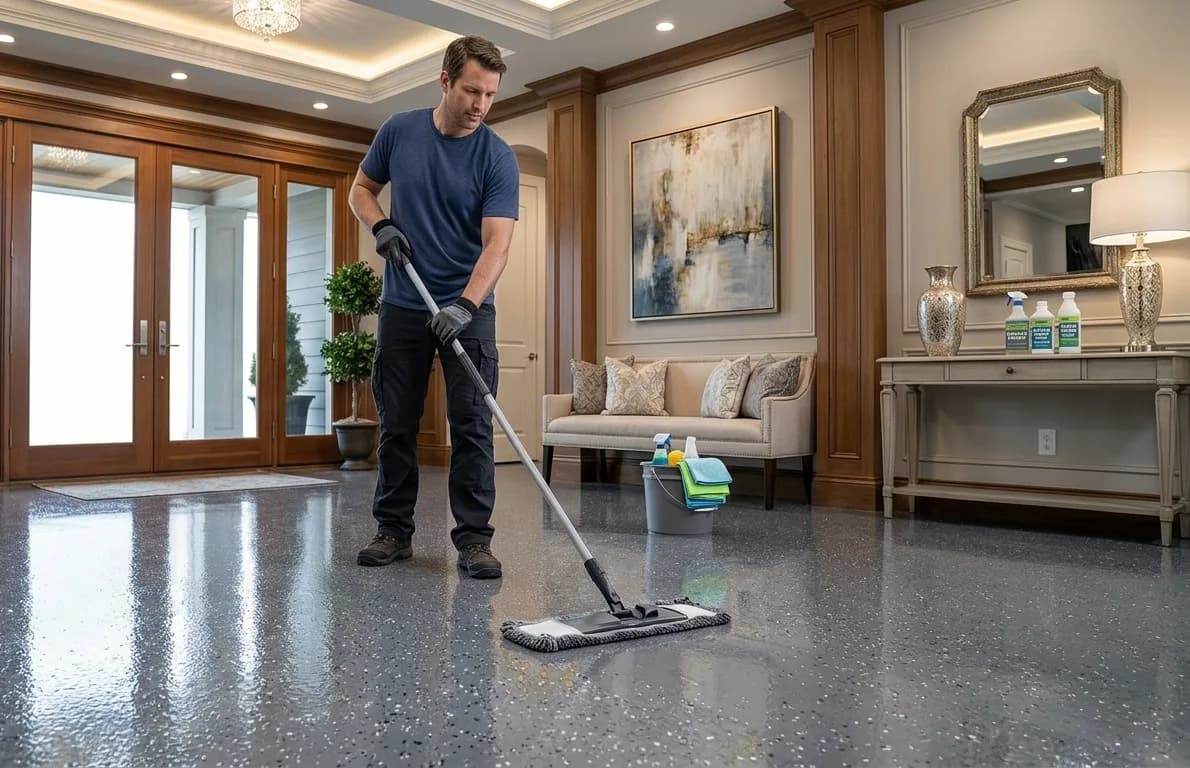
- A good epoxy floor can handle vehicles, foot traffic, tools, and everyday spills. That durability, however, doesn't mean you should ignore the surface.
- Regular epoxy floor maintenance prevents grit, chemicals, and small scratches from damaging the finish. The right routine is surprisingly simple and requires very little specialized equipment.
- Whether you have coated your garage, basement, workshop, or commercial floor, these practical steps will help protect it.
7 Tips: How to maintain an epoxy floor so it lasts
1. Regular Cleaning
Do this regularly; otherwise, you may find a dull epoxy coating one day.
Loose sand and grit may look harmless, but they become abrasive when shoes, tires, or equipment move across them.
A soft-bristle broom or dust mop is a common option for sweeping. But a vacuum is also perfect for garage walls and corners.
For routine washing, use warm water and a compatible pH-neutral floor cleaner. Follow the cleaner manufacturer's dilution instructions instead of making a stronger mixture.
If you are wondering how to clean an epoxy floor, use this simple routine:
- Use a broom or vacuum to clean the epoxy floor.
- Mop with warm water and a suitable neutral cleaner.
- Gently scrub stubborn areas using a soft or medium-bristle brush.
- Remove dirty cleaning solution and rinse as needed.
Textured and anti-slip floors need slightly different treatment. Their raised surface can hold dirt that an ordinary mop misses.
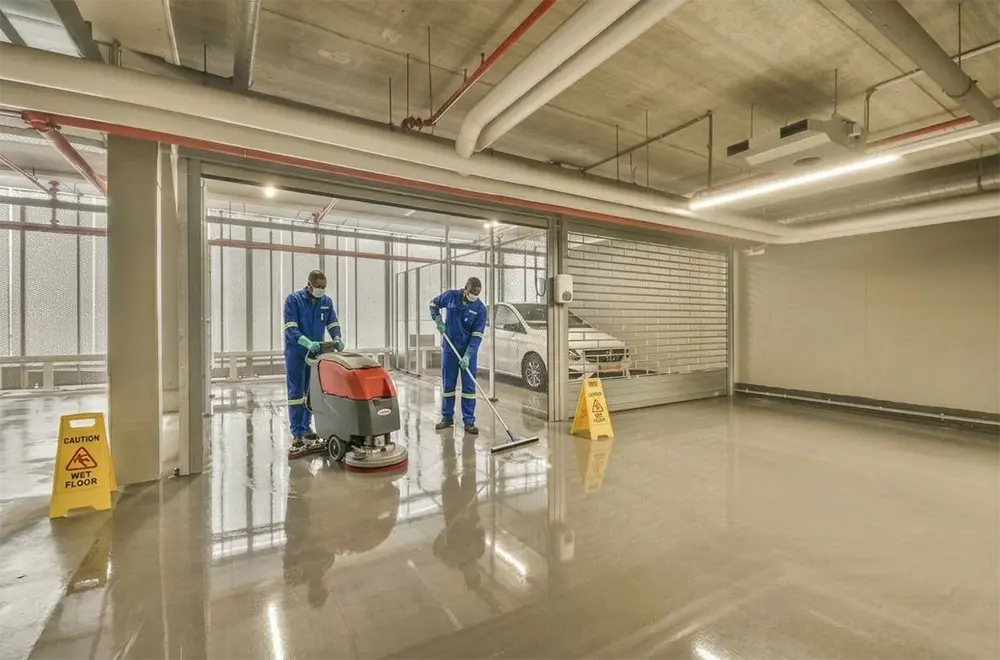
Use a soft or medium-bristle deck brush for these areas. Larger commercial floors may benefit from an appropriate automatic floor scrubber.
2. Clean Oil and Chemical Spills Promptly
Although epoxy systems can resist common spills up to a limit. Oil, grease, fuel, and industrial chemicals should not sit unnecessarily.
Blot or remove liquid before cleaning the affected area. Use a compatible degreaser when water alone cannot remove oily residue.
Prompt cleaning also reduces slipping hazards in garages and workplaces. It prevents sticky residue from attracting more dust and grit.
Avoid assuming every strong chemical is safe for your coating. Different epoxy and topcoat formulations have different chemical-resistance ratings.
3. Avoid Harsh and Abrasive Cleaning Methods
If you are scrubbing with a power tool, be careful. can leave fine scratches on your floor. Avoid steel wool, stiff metal brushes, and aggressive scouring pads. Choose non-abrasive tools suited to the coating's surface texture.
Be careful with highly acidic or strongly alkaline cleaners. Use products recommended for resinous floors or approved by your epoxy floor installer.
Pressure washing also requires special attention. It can damage coating edges and joints. Excessive pressure can worsen areas where the coating has already lost adhesion.
These epoxy floor care tips matter especially for glossy floors. Fine scratches become more noticeable when light reflects across a smooth finish.
4. Protect the Floor From Scratches and Impact Damage
Epoxy is hard, but that doesn't mean it's scratch-proof. Even a small stone trapped beneath equipment during moving can act like sandpaper.
So it is better to place protective pads beneath heavy cabinets, equipment, and machinery. Avoid dragging metal shelving, appliances, or sharp objects across the coating.
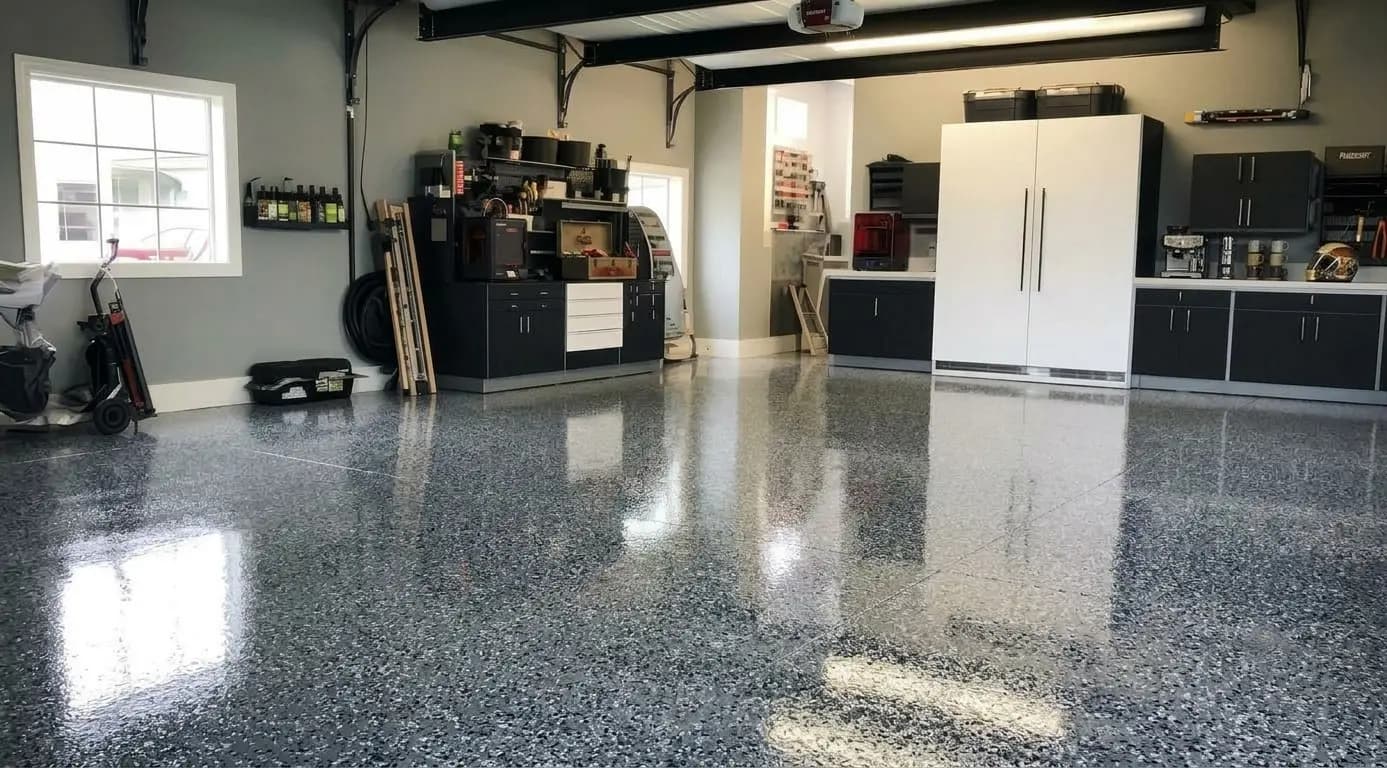
For epoxy garage floor maintenance, pay particular attention to entrance areas. Road grit, salt, and dirt often collect where vehicles enter.
A suitable entrance mat can capture much of that material. Make sure the mat itself does not trap moisture against damaged coating.
Dropped tools can crack a coating's upper layer and impact the underlayer or the concrete. Inspect damaged spots rather than leaving exposed concrete unprotected.
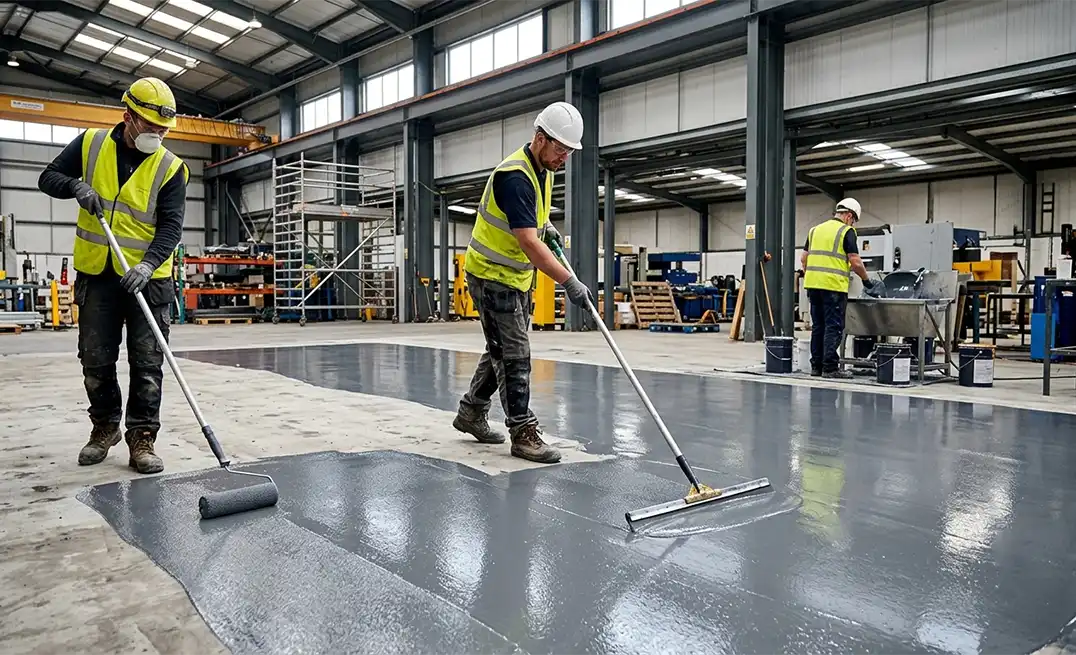
5. Give New Epoxy Enough Time to Cure
A newly installed epoxy floor may feel hard before reaching full performance. Cure times vary widely by product and environmental conditions.
Follow the installer's schedule before allowing foot traffic, vehicles, or heavy equipment. Do not rely on touch alone to decide whether the floor has cured.
Temperature can significantly change the curing process. Cooler conditions generally slow curing, while the exact limits depend on the coating system.
New coatings also develop their chemical and abrasion resistance during curing. Treating the floor gently during this period helps prevent avoidable marks.
After the coating, ask the contractor when your floor will be ready for foot traffic, vehicle parking, and equipment replacement.
6. Regular Inspection for Wear, Cracks, Peeling, and Dull Areas
Early detection of problems can help to reduce repair costs. Do a quick inspection of entrances, vehicle paths, work areas, and floor joints from time to time.
Watch for scratches, chips, peeling edges, bubbles, exposed concrete, or unusual discoloration. Cracks may also originate from movement in the concrete underneath.
Do not simply coat over a peeling or cracked section. Identify the cause before applying another coating layer.
7. Recoat the Surface If Needed
You don't need to replace an epoxy floor just because ause its appearance changes. A suitable new topcoat may restore protection when the underlying system remains sound. At a time cleaning isn't enough to restore the finish. Then scratching, a dull floor, peeling, or exposed damaged areas deserve a professional assessment.
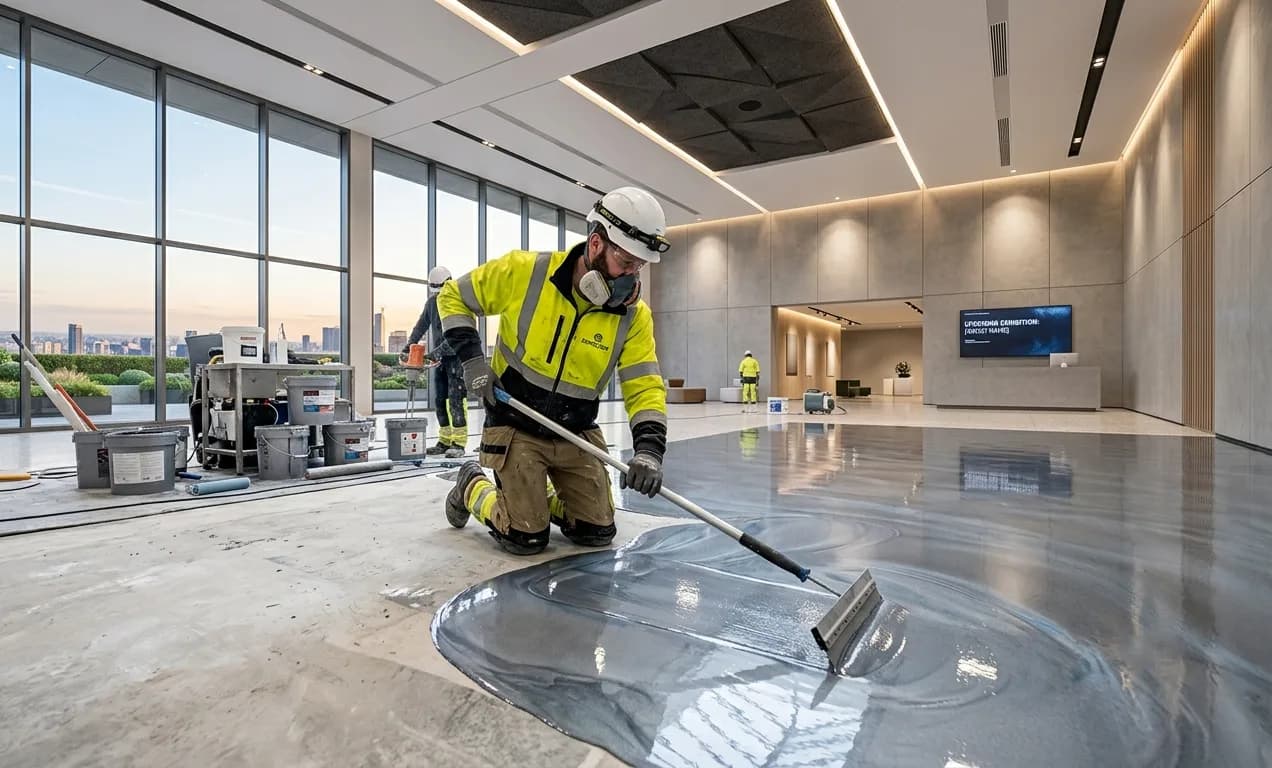
Recoating requires proper cleaning and mechanical preparation for reliable adhesion. Applying a fresh coating directly over contamination can create another failure.
If you need it, an epoxy floor contractor in Surrey can inspect the existing system and recommend a better solution.
Keep Maintenance Simple and Consistent
Although epoxy floors do not need hard daily care. Remove abrasive dirt, clean spills promptly, use compatible products, and protect high-wear areas.
Occasional inspections can also reveal damage before it spreads. With sensible maintenance and timely repairs, your floor can retain its appearance and performance for years.
If your epoxy floor has scratches, peeling areas, stains, or a worn topcoat, have a professional assess the surface before choosing a repair or replacement.